
Chimney and Fireplace Service in Tacoma, Washington
Tacoma has the oldest housing in our service area: about 27 percent of homes date from before 1940. We inspect chimneys and fireplaces across the city for free.
Tacoma was picked in 1873 as the western end of the Northern Pacific Railroad, incorporated in 1875, and merged with the railroad's New Tacoma in 1884. The City of Destiny grew around Commencement Bay, where the Port of Tacoma is now the largest in the state. Its older neighborhoods climb the hills from downtown, from the North End to Hilltop and South Tacoma. The 2020 census counted 219,346 people, making Tacoma the largest city in our service area after Seattle.
Census figures (ACS 2024) show 26.9 percent of Tacoma's homes were built before 1940. That is more than Seattle's 22.8 percent and more than twice the national share of 11.7 percent. The median home was built in 1967. Gas heats about 33 percent of homes and electricity 63 percent, and fewer than 1 percent rely on wood. So most Tacoma fireplaces are old brick ones lit for comfort, which is exactly the kind of chimney that needs a careful look. The free inspection includes photos and a written price before any work.
The Smoke Reduction Zone and your old stove
Since October 1, 2015, it has been illegal to buy or operate an uncertified wood stove or insert in the Tacoma-Pierce County Smoke Reduction Zone. The Puget Sound Clean Air Agency says those stoves must be removed and recycled, or rendered inoperable, unless the home has an approved exemption for having no other adequate heat. On the agency's zone map the boundary takes in most of Tacoma, from Ruston and the North End south past South Tacoma. Northeast Tacoma sits near the line, so homes there should check the map at pscleanair.gov.
To tell if a stove is certified, look for the EPA label on the back or side. Solid metal doors or two glass doors usually mean it is not, and a UL label is not the same thing. The agency pays homeowners $500 to recycle an eligible stove. A replacement EPA wood insert with its liner typically runs $3,000 to $7,000, and a gas insert $2,000 to $8,000. Open masonry fireplaces are not covered by the zone rule, but they can't be used during any burn ban.
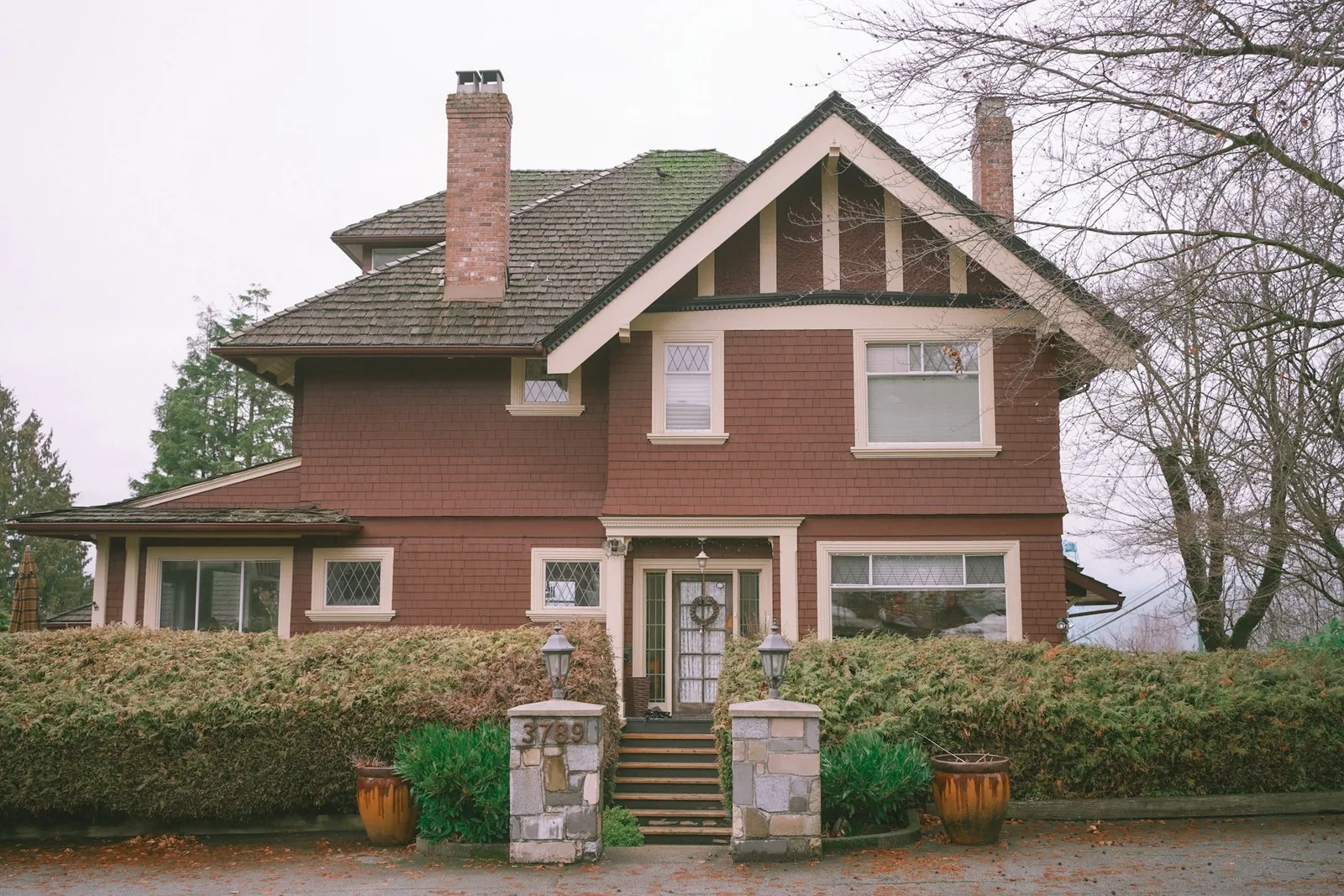
Century-old brick in the North End, Stadium District and Hilltop
Chimneys from the early 1900s were usually laid in softer mortar, often rich in lime. The National Park Service's repointing guidance warns that mortar harder than the brick causes cracking and spalling, so we match the old mix instead of using hard modern mortar. Repointing typically runs $500 to $2,500, replacing spalled brick $1,000 to $3,500, and rebuilding the top few courses $1,000 to $3,500. A full rebuild above the roofline runs $5,000 to $15,000 or more.
Rain is the steady enemy. NOAA's 1991–2020 normals show about 41 inches a year at Tacoma's downtown station and 42 inches over 168 days at Tacoma Narrows Airport, more than Sea-Tac. If your home is in the North Slope Historic District, the city's historic preservation page says design review covers changes to chimneys, and the Wedge district has its own review. Check with Tacoma's Historic Preservation Office before exterior chimney work, and we will match what is there.
Burn bans come sooner in Pierce County
The Puget Sound Clean Air Agency calls Pierce County bans when fine-particle pollution is forecast above 30 µg/m³ within 72 hours, a lower bar than King County's 35 within 48 hours. That is why Tacoma often goes under a ban when Seattle doesn't. Stage 1 bars open wood fireplaces and uncertified stoves, and Stage 2 bars all wood burning. Violations carry a $1,000 penalty.
Natural gas and propane fireplaces and inserts are allowed in both stages. Gas logs in an existing fireplace typically cost $500 to $2,000, and a yearly gas service $150 to $350. Ban status is on pscleanair.gov and the burn ban line, 800-595-4341.
Where we work in Tacoma
Stadium District · North End · North Slope · Proctor District · Old Tacoma · Hilltop · The Wedge · McKinley Hill · South Tacoma · Fern Hill · Lincoln International District · Northeast Tacoma
FAQ
Tacoma chimney questions
Is my old wood stove illegal to use in Tacoma?
If it is uncertified and your home is inside the Smoke Reduction Zone, yes, since October 1, 2015. Most of Tacoma is inside the zone on the Puget Sound Clean Air Agency's map. The agency says such stoves must be removed and recycled or made inoperable, unless you hold an approved heat exemption.
Do I have to remove the stove before I sell my Tacoma house?
A sale doesn't add anything: Washington law bars time-of-sale removal rules. But inside the zone an uncertified stove already can't be used, and you must disclose any woodstove and its EPA status on Form 17. We can remove it, and the agency pays $500 to recycle an eligible one.
I live in the North Slope Historic District. Do I need approval for chimney work?
Possibly. Tacoma's historic preservation page says design review in the North Slope district includes changes to chimneys, and work that needs a building permit triggers it too. Call the city's Historic Preservation Office before exterior work. Repairs matched in kind are what we aim for.
How much does a chimney cleaning cost in Tacoma?
We price the cleaning at the free inspection, after we have seen the fireplace or stove, the flue and the buildup. The price is in writing before any work starts.
Book online
Book in Tacoma. The inspection is free.
Free inspection in a 3-hour window: 8 to 11, 11 to 2, or 2 to 5. We call to confirm before we arrive.